ISSUE No. 026 · Personal Edition · Est. 2026

Hart Hollow
Gazette
Wednesday, October 28, 2026
✈ 15 days until Jakarta
Upcoming

untilJeanine Kelly in Italy!
Wednesday 4 November
Later on ✿
- Jeanine Kelly in Italy! — in 7 days
- Fly back to indo — in 14 days
- Andin Arfi Wedding — in 24 days
Weather

Thunderstorms
30°/ 24°
Rain 98% · Feels 37° · Sun 5:26am–5:45pm
Overcast
17°/ 8°
Rain 0% · Feels 17° · Sun 6:56am–5:16pm
Forecast from Open-Meteo · national weather services
The Jakarta Post

- Downgrading Indonesia: The price of getting byThe Jakarta Post
- Indonesia, Singapore to work together on regional hazeThe Jakarta Post
- Revamping Jakarta, authenticallyThe Jakarta Post
- Malaysian, Singaporean nationals arrested in Bali for illegal lending operationThe Jakarta Post
- Higher fuel imports a headache for state budgetThe Jakarta Post
- Jakarta extends use of overflowing Bantar Gebang landfillThe Jakarta Post
- In Singapore, Merz seeks to widen market access to counter trade restrictionsThe Jakarta Post
The Jakarta Post

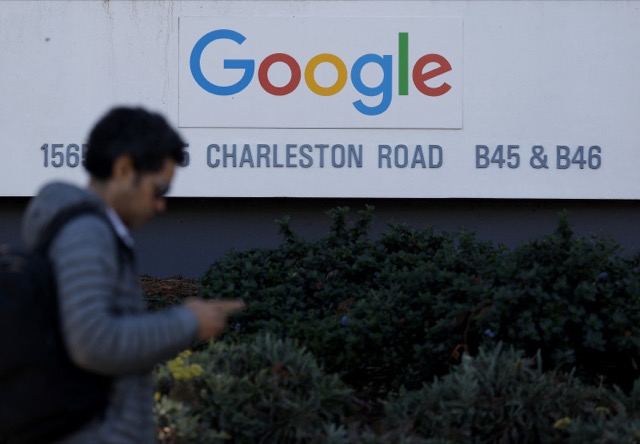
Smoke Over Kalimantan, Fires on Mt. Sumbing
More than 300,000 people across seven provinces have fallen ill with respiratory infections as Indonesia's fires burn on.
Central Kalimantan residents are struggling as the island burns. Indonesia's health ministry says more than 300,000 people in seven provinces were laid low by respiratory tract infections between August and October. On Mt. Sumbing, a joint firefighting team evacuated 162 climbers. Wonosobo Police data show about 306 hectares were affected, and firefighters had put out the flames on 104 of them.
The fires are a health story as much as an environmental one, and they are a diplomatic one too. Foreign Minister Arrmanatha Nasir said Indonesia and Singapore will work together on regional haze, stressing Jakarta's "good neighbor" policy of mutual responsibility and respect with its neighbors.
Fashion Industry

- Midterm Countdown: Consumer Sentiment Lifts Slightly As Gas Prices Stabilize, But Frustration Lingers Over Rising CostsWWD
- Michelle Monaghan Pairs Deconstructed Joseph Altuzarra With Statement Earrings at WWD HonorsWWD
- Industry Leaders Tackle Balancing Heritage, Innovation, AI and Growth at WWD Apparel and Retail CEO SummitWWD
- François Arnaud on Anthony Vaccarello’s Saint Laurent Exit: ‘I Think He Is Just a Master’WWD
- Dollar General Targeted by the FTC, 20 States for Deceptive Pricing SchemeWWD
- HigherDose Advertising Claims Referred to Regulators After Noncompliance With NAD InquiriesWWD
- Denée Benton, Dua Lipa, Dakota Johnson and More Put the Minimalist Mules Trend to Rest With Jeweled AlternativesWWD
Fashion Industry

Dollar General Faces FTC and 20 States
Regulators allege shoppers were charged more at the register than the prices shown on shelf tags and in ads.
The Federal Trade Commission, joined by 20 states, has sued Dollar General over what it calls deceptive pricing practices. The complaint alleges customers were charged more at the register than the prices displayed on tags and in advertisements. WWD put it drily: the chain "hasn't lived up to its name" and, according to the complaint, has taken hard-earned dollars from consumers.
The timing matters. A WWD midterm-season survey found consumer confidence ticked up slightly in October as gas prices stabilized, but frustration over rising costs lingers. For a retailer built on the promise of low prices, a case about the gap between the tag and the till goes straight to the trust its shoppers place in it.
Fashion

- Surprise! 29 Impressive Items Were Just Marked Down At NordstromWho What Wear
- I Refuse to Save Fine Gold Jewelry for Special Occasions, and HardWear by Tiffany Proves My PointWho What Wear
- 72 Hours With Tommy Hilfiger at the US Grand Prix in AustinWho What Wear
- I’ve Been a Bridesmaid Six Times, and This Is the Face Mask I Use Before Each WeddingHarper's Bazaar
- Jim Joe and Lewy Put Up Nearly 200 Hand-Drawn Postcards in NYC ShowHypebeast
- At the WNBA Finals, Zendaya Pairs Her Home Team Pride With a Snakeskin Tee She Co-DesignedHarper's Bazaar
- 7 Major Accessories Trends That Will Take Over In 2027Who What Wear
Fashion

Wacko Maria and Champion's First Reverse Weave Collaboration
The Japanese label reworks Champion's classic fleece in a five-style capsule with artwork by Tim Lehi.
WACKO MARIA and Champion have teamed up for the first time, reimagining the sportswear brand's Reverse Weave classics. The capsule has five styles built around heavyweight fleece, with artwork by Tim Lehi and bold graphics running through the pieces.
It is a pairing of a familiar American sweatshirt with a label known for its own take on classics. Reverse Weave is one of Champion's best-known fabrics, so a first collaboration is a notable moment for both sides. Hypebeast reports the collection is a reworking of existing favorites rather than a new silhouette, which tends to suit this kind of capsule well.
WIRED
- Anthropic Says It Will Revolutionize Biology—Some DayWIRED
- Anthropic Flags Gas Supply as One of Its Biggest Near-Term RisksWIRED
- Quince’s Merino Wool Tee Doesn’t Cost a FortuneWIRED
- A 28-Year-Old DOGE Operative Gutted USAID. HR Had No Record of Him Working ThereWIRED
- UK Home Office May Face Investigation Over Use of OpenAI ToolsWIRED
- UK Politician Jess Asato Got Deepfaked. Now She’s Taking xAI to CourtWIRED
- AI Agents Are Media’s New Favorite AudienceWIRED
WIRED

What Anthropic's IPO Filing Admits About Gas
The company's filing flags gas supply as a major near-term risk and tempers its own talk of scientific breakthroughs.
Anthropic's IPO filing could raise as much as $100 billion and value the company at between $1.5 trillion and $2 trillion, according to the Jakarta Post. WIRED's reading of the document found two notable admissions. The company flags gas supply as one of its biggest near-term risks, warning that the data center buildout could cause a massive increase in gas prices as companies scramble for limited supplies and infrastructure fails to keep pace with demand.
The filing also taps the brakes on the company's own press releases and posts, which have touted its models' ability to deliver scientific breakthroughs. WIRED notes that its filing is more cautious about revolutionizing biology, suggesting that outcome is a someday matter.
Pinned











See you tomorrow ♡
v1.0swipe, tap the arrows, or use ← →